
About Runa & Ayla vaginal simulators
– Training healthcare professionals for real life
What are Runa and Ayla vaginal simulators?
Runa and Ayla are vaginal simulators used for skills training in obstetrics and gynecology. They allow healthcare professionals and students to practice examination techniques and clinical procedures without practicing on patients.
Simulation-based training supports competence development while reducing unnecessary examinations and improving patient safety.
Runa & Ayla as learning tools
Vaginal simulators used for skills training are not medical devices and are intended solely for educational purposes. They allow healthcare professionals to train before real clinical situations without treating a patient. Runa and Ayla are developed with anatomically correct structures and materials designed to provide a realistic training experience.
Key characteristics include:
Lifelike materials and anatomical landmarks
Lightweight design for easy transport between departments
No maintenance required
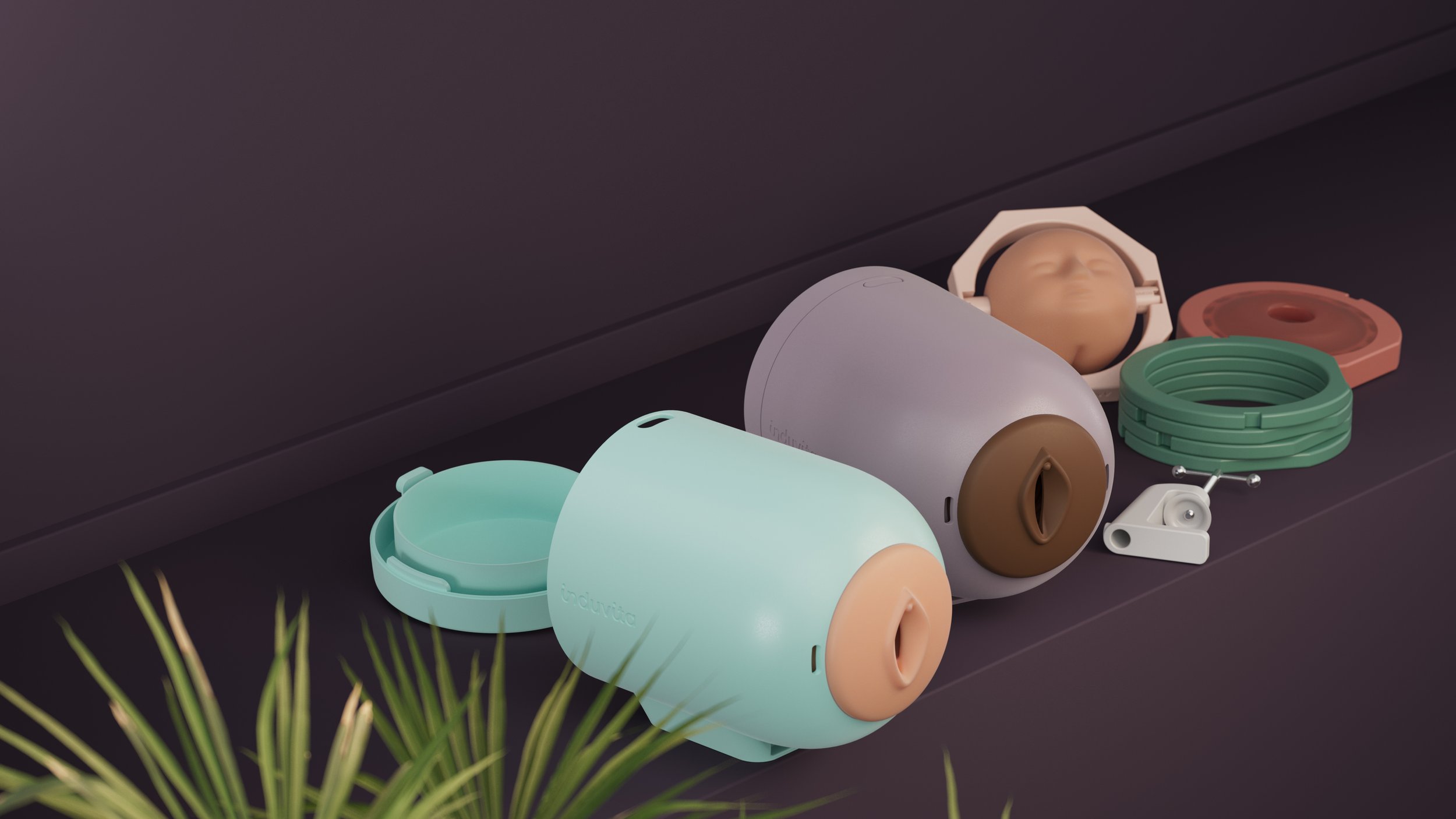
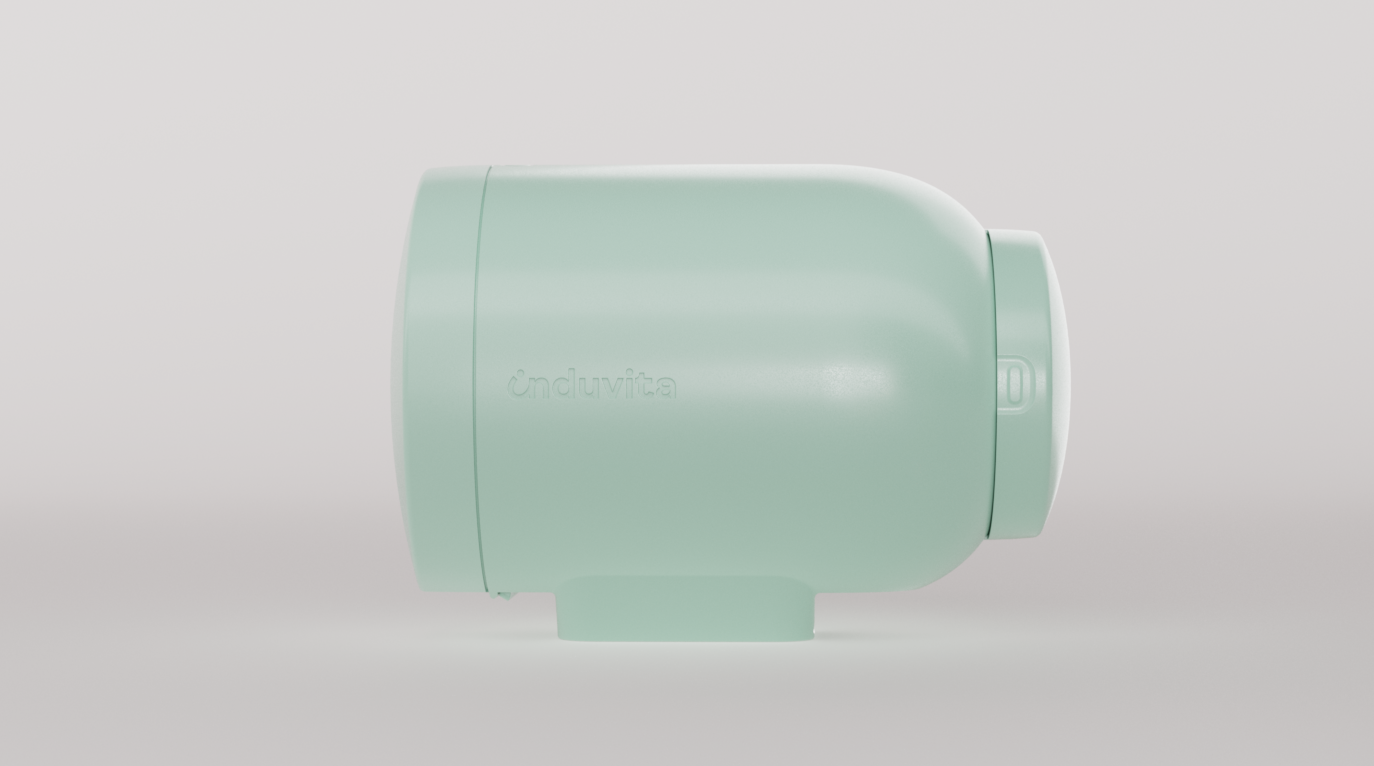
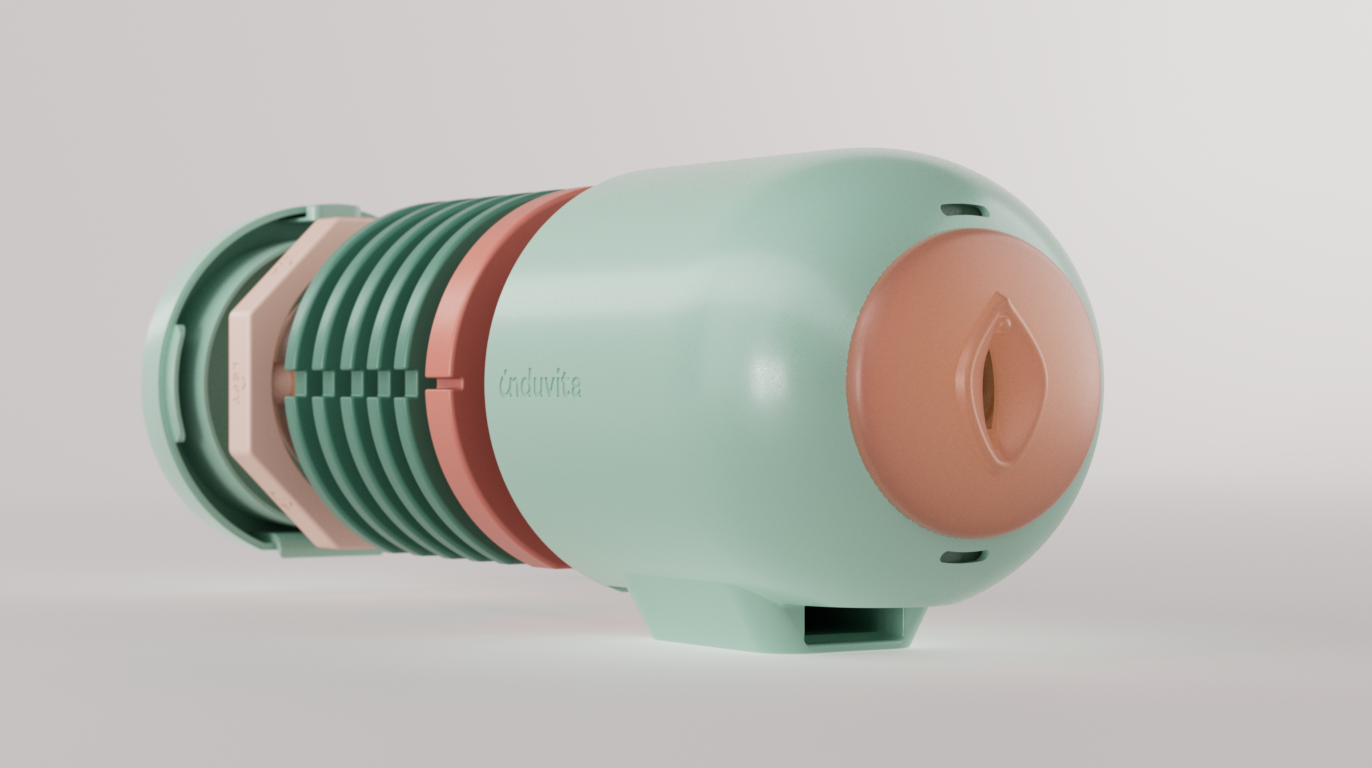
Runa
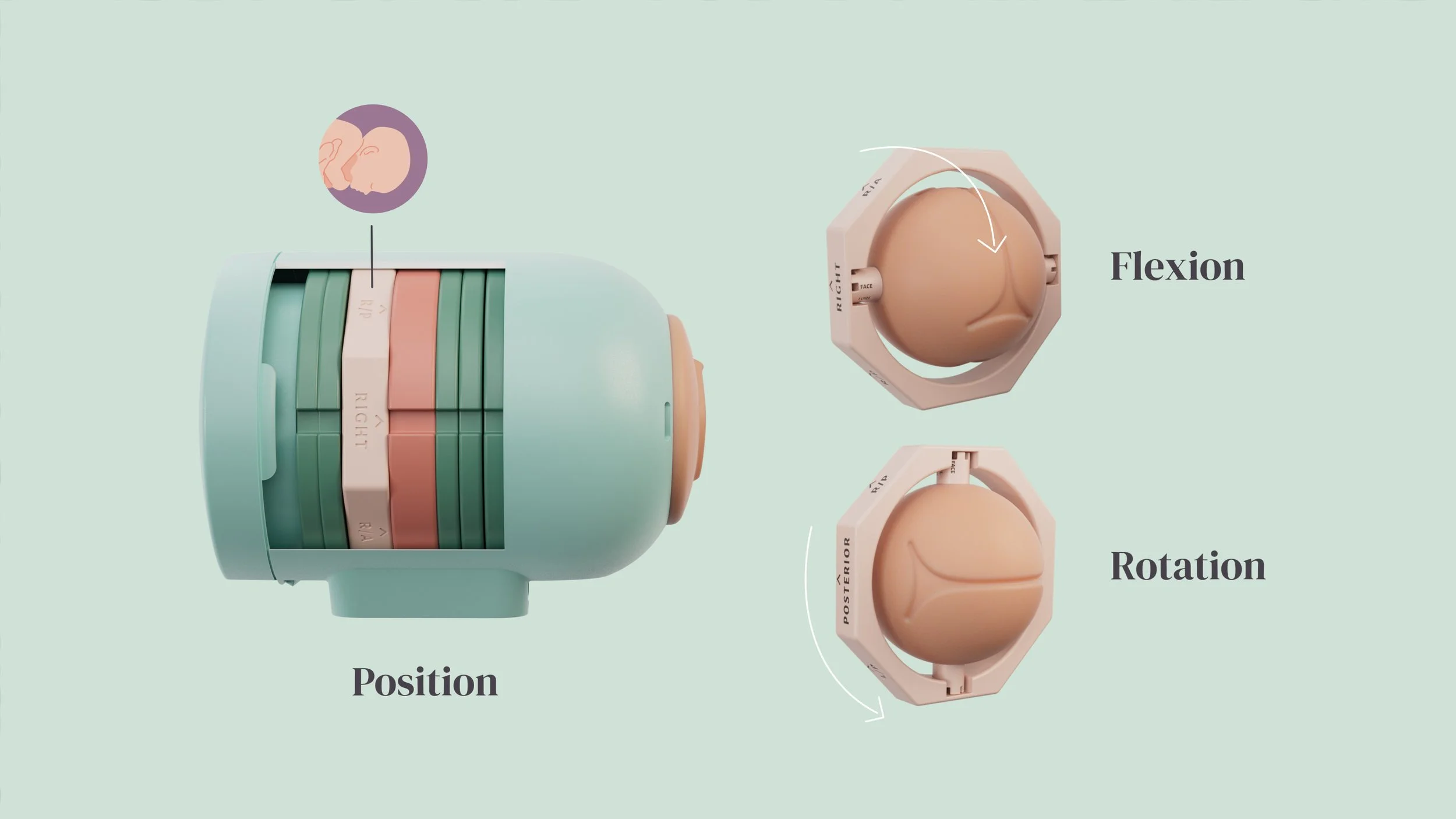
Runa is developed for training in vaginal examination during childbirth and gynecological speculum examinations. She is designed to support understanding of labor progression rather than the delivery itself and allows training in scenarios related to labor progression, including:
Cervical dilatation
Position and descent of the fetal head
Presentation during childbirth
How does the vaginal simulators work?
Ayla
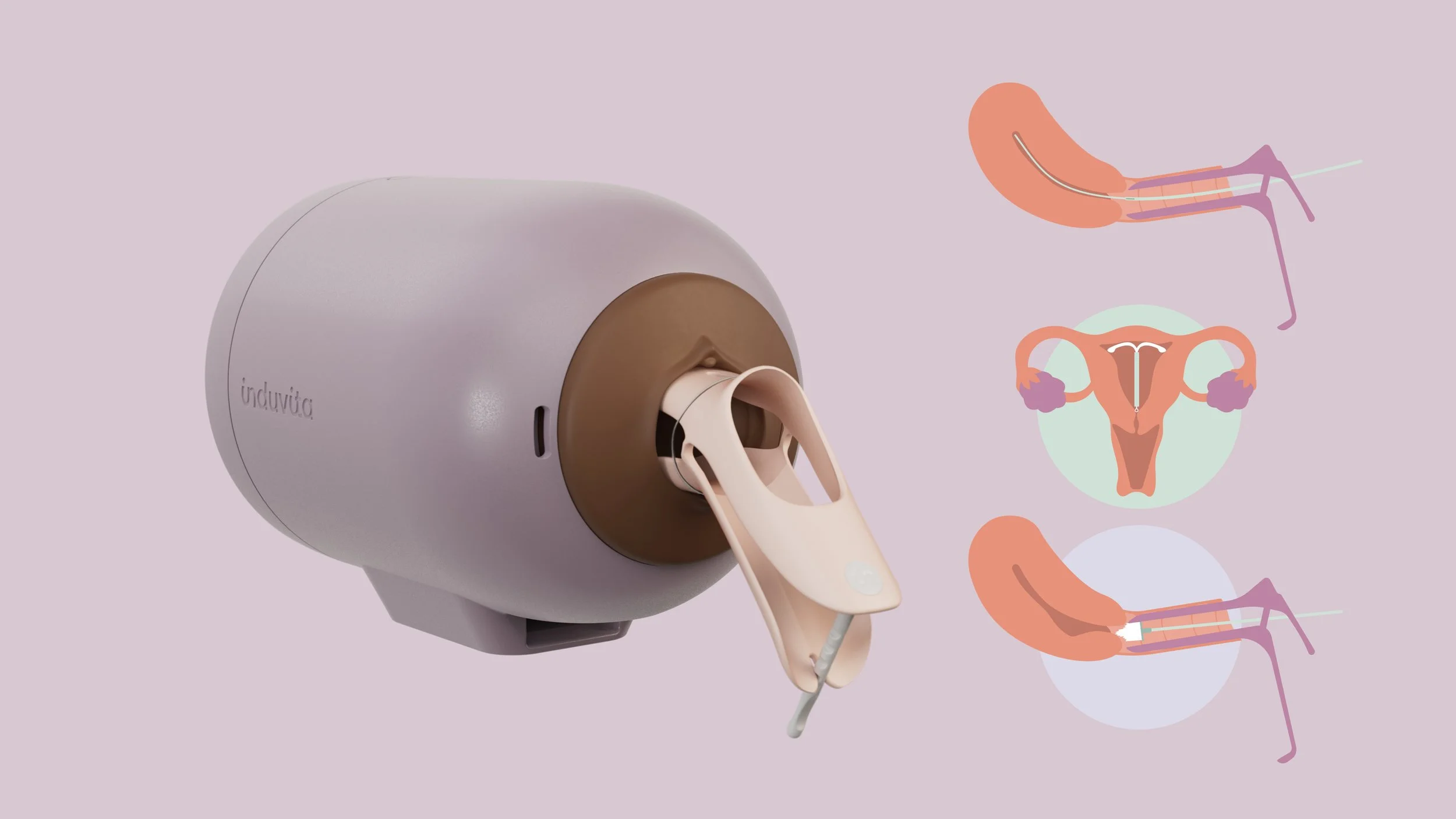
Ayla is used for training and supports hands-on practice of common gynecological procedures in a controlled training environment. Use her to practice gynecological examination and procedures such as:
Pap smear sampling
IUD insertion
Endometrial biopsy
Clinical experience
“This simulator is authentic and very suitable both for speculum use and examination during labor"
— Senior physician at Odense University Hospital
About Induvita
Induvita is founded by a midwife and a gynecologist to improve medical devices used in obstetric and gynecological care, with a focus on safety, functionality, and clinical practice needs.
Read more about us here.
