
What is fertility?
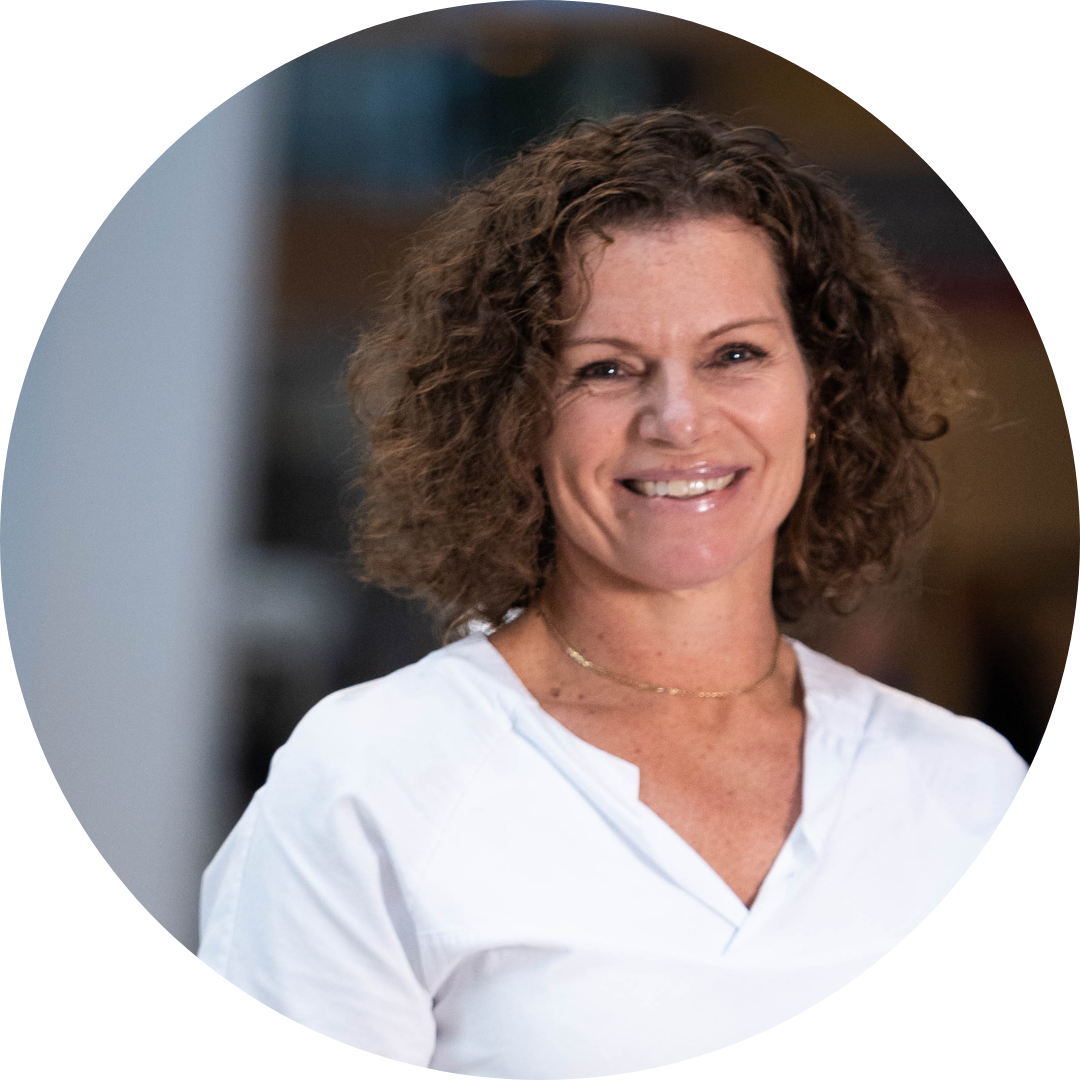
Written by Dr. Specialist Stine Andreasen
Specialist in Gynecology and Obstetrics, PhD in Obstetrics in 2015 and more than 15 years of clinical practice in Obstetrics and Gynecology
Fertility is the natural ability to conceive a pregnancy. It is influenced by factors such as age, reproductive health, hormone levels, and overall wellbeing in both women and men.
Fertility depends on several factors, including age, reproductive health, hormone levels, and overall wellbeing. Both women and men contribute to fertility, and difficulties conceiving can be related to one or both partners. People's fertility varies throughout life, and it is normal for conception to take time, even in healthy individuals.
When am I most fertile?
You are most fertile during the 3-5 days before ovulation and the day of ovulation itself. Ovulation usually happens about 14 days before your next period, but cycle lengths vary. This is because sperm can survive inside the body for up to five days, while the egg lives for about 12–24 hours after ovulation.
How long does it take to get pregnant?
For healthy couples under 35 about 80–85% conceive within one year, and many conceive within the first 6 months. It is completely normal for it to take several months. Even when everything is working perfectly, the chance of pregnancy in a single cycle is typically around 20–25%. If it doesn’t happen immediately, that does not mean something is wrong.
Am I infertile?
Infertility is usually defined as trying to conceive for 12 months without success. Infertility does not mean pregnancy is impossible. It simply means it may take longer or require medical support. Many fertility challenges are treatable. If you are unsure, a medical evaluation can provide clarity and reassurance.
Does age affect fertility?
Yes, age is one of the most important factors affecting fertility. Women are born with all the eggs they will ever have. Over time the number of eggs decreases and egg quality declines. Fertility gradually declines after age 30 and more noticeably after 35. After 40, natural conception becomes more difficult. This decline happens regardless of how healthy you are or whether you have used contraception in the past.
When should I see a doctor about fertility?
You should consider seeing a doctor if:
You are under 35 and have tried to get pregnant for 12 months
You are 35 or older and have tried to get pregnant for 6 months
You have very irregular or absent periods
You have known PCOS or endometriosis
You have had pelvic infections
You have experienced multiple miscarriages
Early evaluation can provide answers and reduce stress.
Can fertility problems be treated?
Many fertility-related conditions can be evaluated and managed with medical support. Treatment options depend on the underlying cause and may include lifestyle changes, medication, surgical treatment, or assisted reproductive technologies. Common treatment approaches may include:
Lifestyle modifications
In some cases, fertility may be improved through changes in lifestyle factors such as:
Maintaining a healthy weight
Regular physical activity
Smoking cessation
Limiting alcohol consumption
Managing stress and overall wellbeing
Ovulation-inducing medications
For individuals who do not ovulate regularly, certain medications may be used to stimulate ovulation and improve the chances of conception.
Hormonal treatments
Hormonal therapies may be recommended when fertility challenges are linked to hormonal imbalances or conditions that affect ovulation and reproductive function.
Surgical treatment
Some fertility-related conditions, such as endometriosis, uterine abnormalities, or blocked fallopian tubes, may be treated surgically to improve reproductive outcomes.
Assisted reproductive technologies (ART)
When natural conception is difficult, assisted reproductive technologies may be considered. These can include:
Intrauterine insemination (IUI)
In vitro fertilization (IVF)
Intracytoplasmic sperm injection (ICSI)
The most appropriate treatment depends on the underlying cause of infertility and the individual's circumstances.
Is fertility treatment always necessary?
No. Not all fertility challenges require medical treatment. Some couples conceive naturally after lifestyle changes, treatment of underlying health conditions, or simply with additional time. A healthcare professional can help determine whether further evaluation or treatment is appropriate.
Related resources
Read more about ovulation
Read more about pelvic exams
Read more about pregnancy symptoms
FAQ – Fertility
-
Fertility refers to the ability to conceive a pregnancy naturally. Successful conception depends on healthy ovulation, sperm quality, reproductive anatomy, and timing during the menstrual cycle.
-
Age is one of the most important factors affecting fertility. Female fertility gradually declines with age, particularly after the age of 35, due to changes in egg quantity and quality. Male fertility may also decline with age, although the effect is generally less pronounced.
-
For healthy couples, pregnancy may occur within a few months, but it can also take longer. Most couples conceive within one year of regular unprotected intercourse. The likelihood of pregnancy varies depending on age and individual health factors.
-
Several factors may influence fertility, including:
Age
Hormonal conditions such as PCOS
Endometriosis
Ovulation disorders
Lifestyle factors such as smoking and alcohol consumption
Certain medical conditions
Male fertility factors
-
It may be helpful to speak with a healthcare professional if pregnancy has not occurred after:
12 months of regular unprotected intercourse for women under 35
6 months for women aged 35 or older
Earlier evaluation may be recommended if there are known fertility concerns or underlying medical conditions.
-
Many fertility-related conditions can be evaluated and managed with medical support. Treatment options depend on the underlying cause and may include lifestyle changes, medication, surgical treatment, or assisted reproductive technologies.