
What is Menopause?
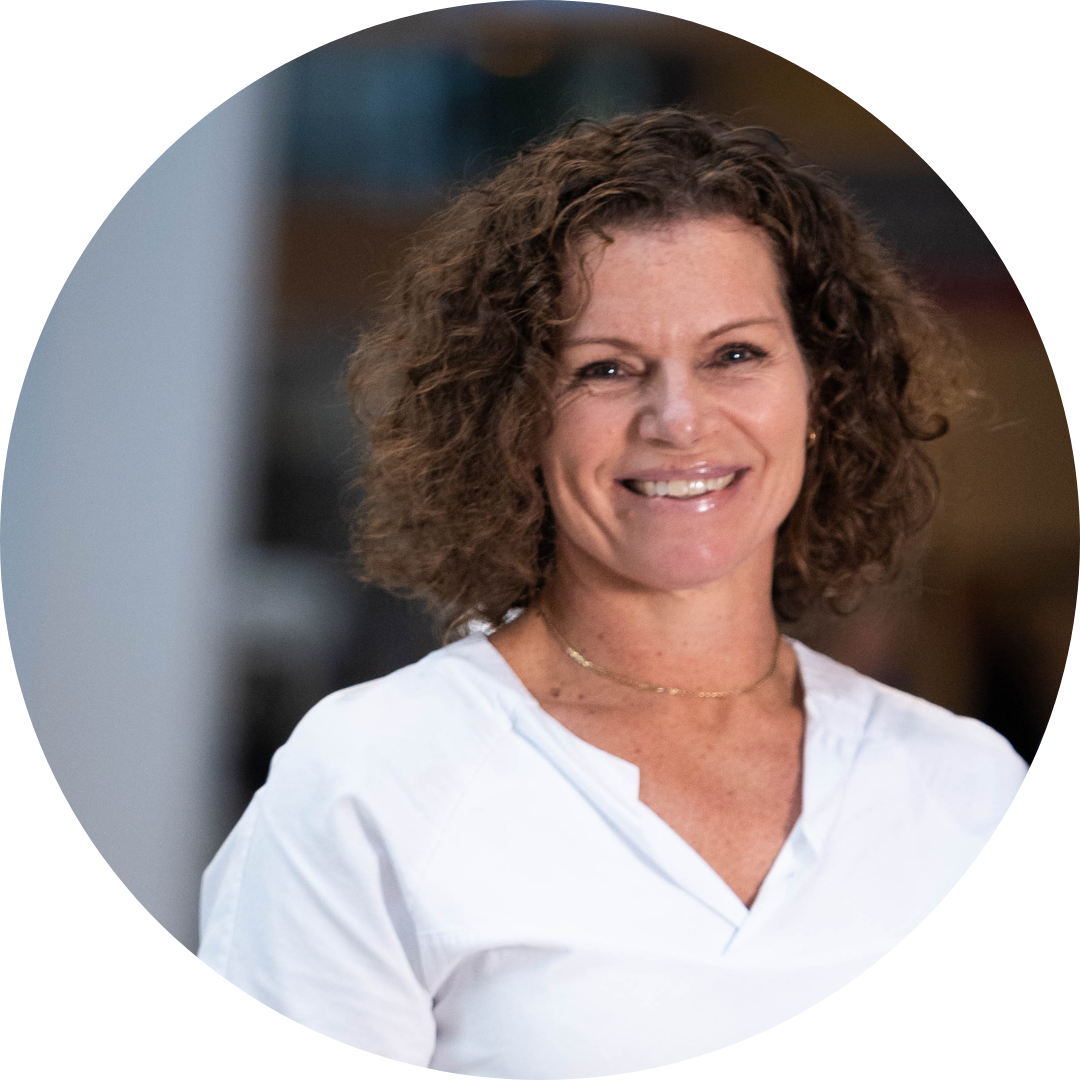
Written by Dr. Specialist Stine Andreasen
Specialist in Gynecology and Obstetrics, PhD in Obstetrics in 2015, more than 15 years of clinical practice in Obstetrics and Gynecology.
Menopause is a natural stage of life that marks the end of a woman’s menstrual cycles.
Menopause usually happens between the ages of 45 and 55, with the average age around 51. The years leading up to menopause are called perimenopause, when hormone levels begin to fluctuate and symptoms may start. It is officially diagnosed when you have gone 12 consecutive months without a period. Menopause is not a disease, it is a biological transition. However, the symptoms can affect quality of life and sometimes require treatment.
What are the symptoms of menopause?
Menopause symptoms are caused by changes in hormone levels, especially fluctuating estrogen. Symptoms vary from woman to woman. Some experience mild changes, while others have more significant symptoms: hot flashes, night sweats, irregular periods, sleep problems, mood changes (irritability, anxiety, low mood), brain fog or difficulty concentrating, reduced libido, joint aches. Symptoms can last for several years, and for some women, longer.
How do you decide whether to treat menopause symptoms?
Treatment is based on how much the symptoms affect your daily life and well-being. The decision is personal and should be made together with a healthcare professional after discussing benefits and risks.
How is menopause diagnosed?
In most women over the age of 45, menopause is diagnosed based on symptoms and menstrual history. If you have not had a period for 12 months and have typical symptoms, blood tests are usually not necessary. In younger women (under 45), or if the situation is unclear, investigation into other causes may be recommended.
How are menopause symptoms treated?
Treatment depends on your symptoms, medical history, and personal preferences. Hormone Therapy (Menopausal Hormone Therapy – MHT) is the most effective treatment for hot flashes and night sweats. It replaces the fluctuating estrogen your body produces. Hormone therapy can be given as tablets, skin patches, gels or sprays. If you still have your uterus, progesterone is added to protect the lining of the uterus. Local estrogen treatment helps for vaginal dryness and urinary symptoms, low-dose vaginal estrogen (cream, tablet, or ring) can be very effective and has minimal absorption into the bloodstream.
Non-hormonal treatments can be used for certain symptoms on menopause:
Certain antidepressants (for hot flashes)
Cognitive behavioral therapy (CBT)
Lifestyle adjustments (exercise, sleep routines, stress management)
Vaginal moisturizers and lubricants
When should I see a doctor to discuss menopause treatment?
You should consider seeing a doctor if:
Your symptoms are affecting your daily life
You are unsure whether your symptoms are related to menopause
You experience bleeding after menopause (this should always be evaluated)
You enter menopause before age 45
You have severe mood changes
You have concerns about treatment options
You do not need to “just tolerate” difficult symptoms. Help is available.
Are there women who should not receive hormone treatment for menopause symptoms?
Women who may not be able to use systemic hormone therapy include those with breast cancer, certain types of estrogen-sensitive cancer, deep vein thrombosis or pulmonary embolism, unexplained vaginal bleeding, severe liver disease. Local (vaginal) estrogen is often safe even for women who cannot use systemic hormone therapy.